
Review · JAPAN SHORE EXCURSIONS
Private Shore Excursion Kobe Port – Best of Kobe with a local
Kobe rewards curious walkers. This private seven-hour outing gives you a flexible way to connect the city’s shrines, harbor, shopping streets, and food culture without wrestling with train maps or translation problems. I especially like the local point of view from Michelle, a Kobe native who also lived in the United States, and the freedom to shape the day around your interests.
I also like the strong mix of old and new: quiet religious sites, a lively port district, Chinatown, local shops, and the option of sake or Kobe beef. The main drawback is cost control. At $135 per person, the tour can be good value for a private group, but walking is the standard plan and trains, taxis, meals, ropeway tickets, and other entry fees cost extra.
Key points to know before booking
- Michelle’s local perspective: Her Kobe upbringing and years in the United States make communication easy while keeping the commentary tied to local life.
- A private, adjustable route: You can request interests such as sake, ramen, shopping, Kobe beef, or seasonal sights.
- A strong city-center route: Minatogawa Shrine, Meriken Park, Motomachi, Nankinmachi, and Ikuta-jinja show very different sides of Kobe.
- Food can shape the day: You can add a sake brewery museum, a sake bar, or finish at a recommended Kobe beef restaurant.
- Nunobiki costs extra: The herb gardens require a ropeway ticket, listed at ¥1,800 per person, and an eight-hour version is suggested if you want to include Nunobiki Falls.
- Best for small groups: The private format suits families, couples, and cruise passengers who want personal attention rather than a fixed coach route.
Why a private Kobe tour can be worth the price
The advertised price is $135 per person, with group discounts available. That is not the cheapest way to see Kobe, especially since local transportation and food are not included. Still, the value changes when you consider what a private guide can do with a short port visit.
You are not simply buying a list of stops. You are paying for a native English-speaking host who can adjust the pace, explain local customs, help with food choices, and change the plan when your interests become clear. Michelle has helped visitors find ramen, Japanese lipstick, suitable restaurants, and accessible ways to continue after a knee problem appeared during the day.
That flexibility matters in Kobe. The city’s sights are spread across different districts, and the best route depends on what you care about. One person may want shrines and Japanese history. Another may prefer shopping and food. A private guide can give both people a better day than a fixed schedule.
The basic outing lasts about seven hours. Pickup is offered, but the stated meeting point is Kobe Station, with the end at Sannomiya Station. The return point can be changed if needed. Confirming the meeting place in advance is important, particularly if you are arriving from a cruise ship and need to plan around port transportation.
Walking is the normal way to move between sights. Trains or taxis can be arranged at an additional cost, including the guide’s transportation. That means you should ask about the transport plan before the day begins, especially if someone in your group has limited stamina.
More Private Shore Excursions in Japan:
- Kyoto private tour (Shore excursion available from Osaka or Kobe port)
★ 5.0 · 39 reviews - Shore excursion: Full Day Private Kyoto Tour From Osaka/Kobe Port
★ 4.5 · 36 reviews - 4/5/6 Hours Private Osaka Tour Designed for Cruise Passengers
★ 5.0 · 26 reviews
Starting at Minatogawa Shrine
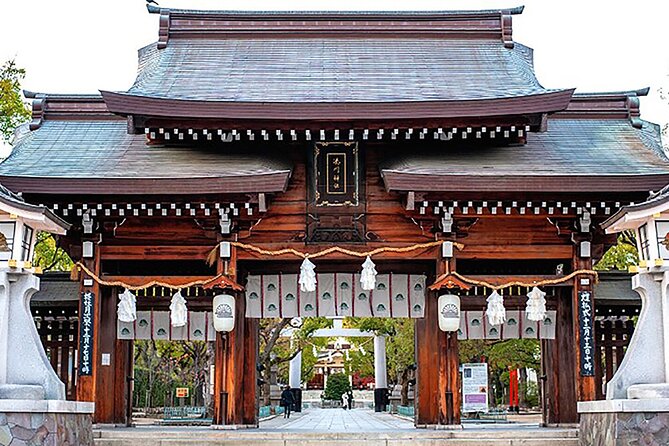
Minatogawa Shrine is a calm opening to the day. It is one of Kobe’s two most popular shrines, but it has a quieter visual character than the brightly painted shrine many people picture when they think of Japan. The atmosphere is more restrained, with less of the famous orange and red coloring.
You get about 20 minutes here. That is enough for a first look at the grounds and an explanation of why the shrine matters to local residents. It is also a useful contrast to the more colorful Ikuta-jinja later in the route.
The shrine is used for important local celebrations, so this stop gives you more than a quick photo. It introduces the continuing role of religious sites in everyday Japanese life. If you are particularly interested in Japanese customs, ask Michelle to explain how the two major Kobe shrines differ.
Harbor views at Harborland and Meriken Park
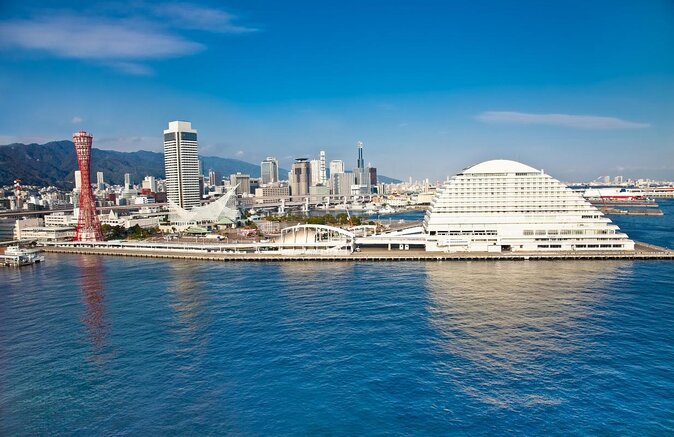
The route then moves toward the waterfront, passing through Harborland and Meriken Park. Allow about an hour for this part of the day.
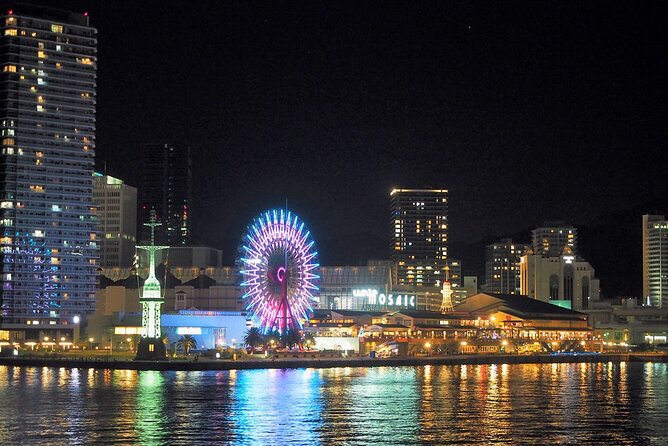
Meriken Park is one of Kobe’s easiest places to enjoy at a relaxed pace. You can stroll beside the port, take photographs, browse shops, and stop at an eatery. It gives you open views and a change of rhythm after the shrine visit.
This is also a useful stop for families or anyone who does not want every minute filled with formal sightseeing. You have room to pause, look around, and decide what sounds good next. The waterfront combines Kobe’s modern identity with its long connection to international trade and the sea.
The possible weakness is that this area can feel less distinctly local than the older streets. That is not a reason to skip it, but I would use the time for a walk and a snack rather than expecting a long historical lecture at every turn.
Shopping along Motomachi
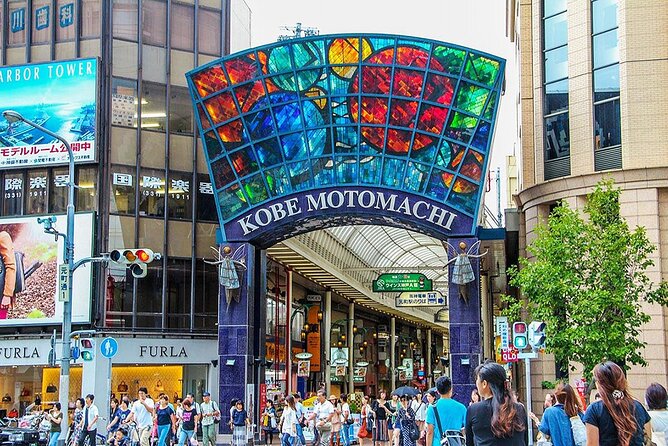
Kobe Motomachi Shopping Street gives the tour a more everyday feel. This is where local shopping becomes part of the sightseeing.
Near Daimaru department store, the shops are more cosmopolitan. As you move toward the Kobe Station side, the mix shifts between newer businesses and older, multigenerational shops. That change is exactly what makes the street useful for understanding Kobe. You are not looking at a preserved historic district only. You are seeing a working commercial area that has changed over time.
You get about an hour here. Use it to browse rather than rush. If you have a particular shopping goal, tell Michelle early. One day, she helped a visitor locate Japanese lipstick, which is the kind of practical assistance that can save time and make shopping more enjoyable.
The street is also a good place to ask about local products and neighborhood habits. You may find the cosmopolitan side of Kobe more appealing than a standard souvenir area, but do keep track of the time. Shops, food stops, and conversation can easily stretch this hour.
A few more shore excursions around Japan worth a look
- Kobe: Private Walking Shore Excursion- Kyoto/Osaka/Nara/Kobe
★ 4.8 · 23 reviews - Shore Excursion Full Day Private Kochi Tour from Kochi port
★ 5.0 · 21 reviews - Shore Excursion from Hiroshima Port : Private Tour in Hiroshima
★ 5.0 · 17 reviews - All-Inclusive Ishigaki Island Shore Excursion with English Guide
★ 5.0 · 13 reviews
A quick change of scene in Nankinmachi
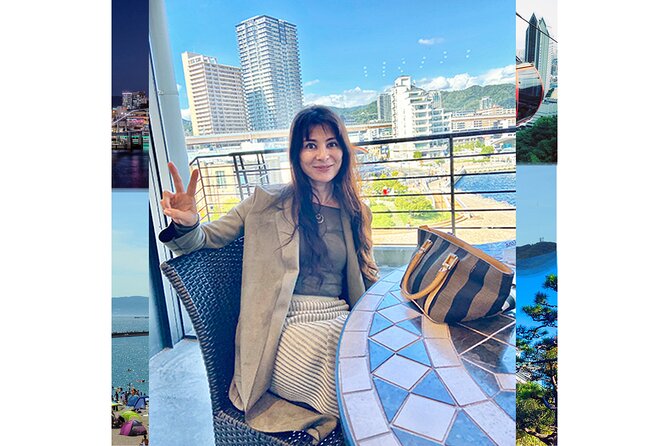
Chinatown, known as Nankinmachi, sits beside Motomachi. The shift is immediate. Within a short walk, the architecture, food stalls, signs, and street atmosphere feel quite different from the surrounding Japanese shopping streets.
The planned visit is about 20 minutes, so this is a compact introduction rather than a full food tour. If food is central to your day, tell Michelle in advance. The experience can be adjusted around your interests, though meals remain your responsibility.
Nankinmachi works well because it adds another layer to Kobe’s international character. The city is not presented as one uniform Japanese scene. Instead, you move between a shrine, a modern port, a local shopping street, and a Chinese district within a fairly small area.
Ikuta-jinja and Kobe’s entertainment district
Ikuta-jinja is the second major shrine on the route. It is known for its strong colors and long history, and reaching it takes you through Kobe’s entertainment area.
The stop lasts about 20 minutes. That may sound brief, but the contrast with Minatogawa Shrine makes the pair worthwhile. One is more muted. The other is more colorful and closely tied to a lively central district.
This is a good point to ask questions about how religious sites fit into a modern Japanese city. You are not visiting an isolated temple complex in the countryside. You are moving from busy urban streets into a sacred space, then back into the city again.
If you want more time for photography or quiet observation, say so. A private tour makes that request possible, but the day has enough potential stops that you and your guide will need to choose priorities.
Add sake to the middle of your day
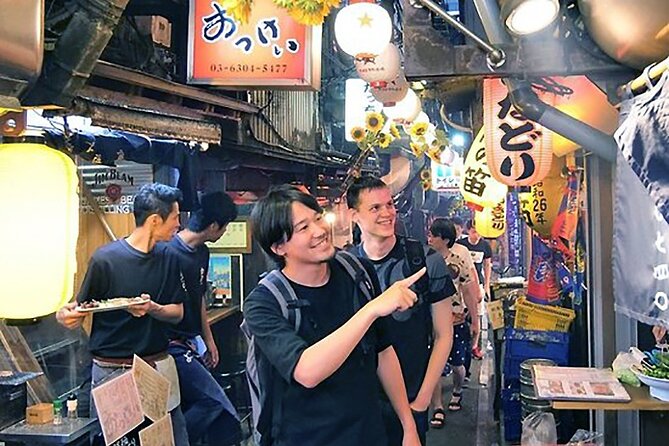
Sake is offered as an optional interest, not a fixed promise that everyone will visit the same place. You can choose between a local brewery museum and a popular sake bar.
That choice changes the tone of the outing. A brewery museum is a better fit if you want context and production details. A sake bar may suit you more if you want to taste and compare drinks in a social setting. Food and drinks are not included, so budget separately.
Kobe’s sake option is especially useful for visitors who want something beyond famous landmarks. Ask Michelle which choice fits your group, and confirm the extra time and transportation before committing. The experience is private, so the sake stop can be included in place of another interest rather than squeezed into an already crowded schedule.
Nunobiki Herb Gardens and the ropeway choice
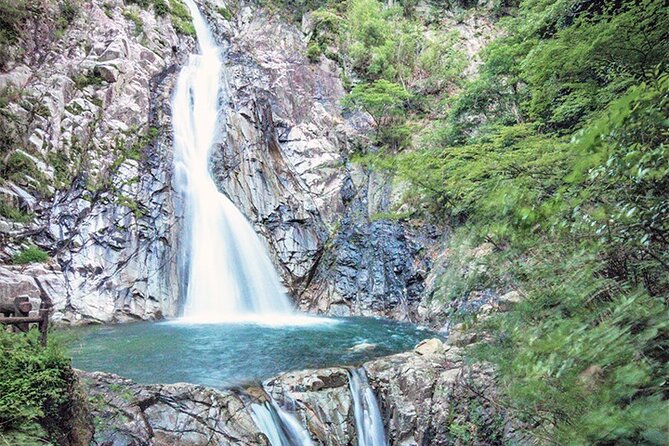
The Kobe Nunobiki Herb Gardens are the largest time commitment, at about two hours. The gardens feature flowers that change with the season, and the paths offer views over Kobe City.
This is the best choice if you want elevated city views and a slower outdoor section. It also gives the day a break from streets, shops, and shrine grounds. The seasonal planting means the appearance will vary according to when you visit.
There are two practical points to keep in mind. The ropeway ticket is listed at ¥1,800 per person, and admission costs are not included. Also, if you want to add Nunobiki Falls, an eight-hour experience is recommended rather than the standard seven-hour version.
The gardens may not suit every group. If your priority is Kobe beef, shopping, or port history, you may prefer to use those two hours elsewhere. If someone has trouble with stairs or uneven paths, discuss the route in advance. One particularly helpful example from this guiding service involved renting a wheelchair when a wife’s knee began hurting at the start of the day, so it is worth raising mobility concerns before arrival.
Summer at Suma Beach
Suma Beach is a seasonal possibility, mainly for summer and early fall. The scheduled time is only one minute, which tells you this is an optional route idea rather than a major included beach visit.
During the warmer months, pop-up restaurants and music can add energy. You may also be able to stroll through the warm water. In cooler months, the beach is much quieter and may not justify the extra journey.
Ask about Suma Beach only if your visit matches the season and your group wants a coastal break. It is not a replacement for the central Kobe sights, but it can work for someone who has already seen the main city areas or wants a more relaxed summer setting.
Ending with Kobe beef
Kobe beef is the most obvious way to finish the day, and the guide can recommend a restaurant. You can also arrange to eat it during the tour instead of waiting until the end.
Food and drinks cost extra, and the restaurant bill is not part of the tour price. That is important because Kobe beef can turn a moderately priced excursion into a much more expensive day.
Still, eating the city’s famous beef in Kobe can be a satisfying finish, especially if you want help choosing a restaurant rather than picking at random. Michelle has received strong praise for recommending a memorable steak meal. If you want Kobe beef, say so when the tour is planned, since the choice affects the route and the amount of time available for other stops.
If beef is not your priority, do not feel pressured to add it. The tour can focus on ramen, sake, shopping, shrines, or other interests instead.
What the guide adds to the day
The guide is the heart of this experience. Michelle speaks fluent English and brings both local roots and a United States connection. That combination is useful because she can explain Kobe in clear terms while still giving you the perspective of someone who grew up there.
The strongest praise centers on her flexibility, warmth, and willingness to do more than deliver prepared facts. She has adjusted plans for food requests, helped with shopping, provided photo assistance, and responded quickly when mobility became an issue.
That does not mean every minute will be perfectly choreographed. A custom day requires decisions. You will get more from it if you arrive with two or three priorities rather than asking to see everything. Try pairing one food interest with two or three districts, or two cultural sites with the herb gardens.
Practical details, costs, and cancellation
The tour is private, so only your group participates. Group discounts may be available, which improves the price for families or friends traveling together.
The base experience includes a local host, a native English-speaking guide, and a personalized walking route. Meals, drinks, local transportation, gratuities, ropeway tickets, and other entry fees are extra. Sōrakuen admission is listed at ¥300 per person, while the ropeway is listed at ¥1,800 per person.
Confirmation is provided at booking, and the provider contacts you within 48 hours to plan the personalized route and confirm the meeting point. For bookings made less than 48 hours before departure, contact is expected sooner.
Free cancellation is available up to 24 hours before the start time. Changes made inside that window are not accepted, and poor weather can lead to a different date or a full refund. Service animals are allowed, and the tour is near public transportation.
Should you book this Kobe shore excursion?
Book it if you want a private, human-paced day and value help with food, shopping, translation, and local context. It is particularly well suited to cruise passengers, families, couples, and small groups with different interests.
I would skip it if you want the lowest possible cost, prefer to plan every train ride yourself, or only want one major sight. The extra transportation and food costs also need a place in your budget.
For the best value, contact the provider with a short wish list: perhaps shrines, Motomachi shopping, sake, and Kobe beef. Decide in advance if Nunobiki’s gardens are worth the ropeway fare, and ask for a meeting point that fits your ship schedule. If you want Kobe explained by someone who knows the city personally, this flexible format is a strong choice.
FAQ
How long does the Kobe experience last?
The standard experience lasts about seven hours. An eight-hour version is recommended if you want to include Nunobiki Falls.
Where does the tour start?
The stated starting point is Kobe Station, at 3-chōme-1-1 Aioichō, Chuo Ward, Kobe. The meeting point is finalized after booking.
Where does the tour end?
The stated end point is Sannomiya Station. The return location can be changed if needed.
Is the tour private?
Yes. Only your group participates, and the experience is personalized around your interests.
Is transportation included?
Walking is included as the standard format. Trains or taxis can be used at an additional cost, including transportation for the guide.
Are food and drinks included?
No. Food and drinks are not included. You can request a sake stop or a Kobe beef restaurant, but you pay those costs separately.
How much do the optional ropeway and Sōrakuen fees cost?
The listed ropeway fee is ¥1,800 per person, and Sōrakuen admission is listed at ¥300 per person. Entry fees are not included in the tour price.
Just added around Japan
- Shore Excursion Full Day Private Kochi Tour from Kochi port★ 5.0 · 21 reviews
- Cruise Stop-Over: Private Custom Day trip to Osaka from Kobe Port★ 5.0 · 5 reviews
- Private Shore Excursion Kobe Port – Best of Osaka with a local★ 5.0 · 3 reviews
- Cruise Stop-Over: Private Custom Day trip to Kyoto from Kobe Port★ 4.5 · 12 reviews
- Private Car Tour to KYOTO, OSAKA or NARA | KOBE Shore Excursion★ 5.0 · 10 reviews
- Private Shore Excursion: Osaka&Nara Tour from Osaka/Kobe Port★ 5.0 · 2 reviews
- All-Inclusive Ishigaki Island Shore Excursion with English Guide★ 5.0 · 13 reviews
- Shore Excursion from Hiroshima Port : Private Tour in Hiroshima★ 5.0 · 17 reviews
Japan Shore Excursions, compared.
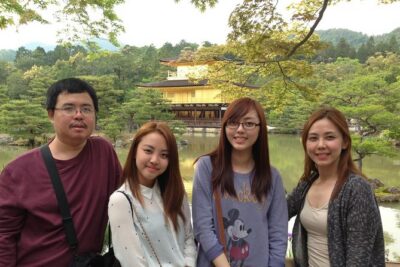
Kyoto private tour (Shore excursion available from Osaka or Kobe port)
Read our review →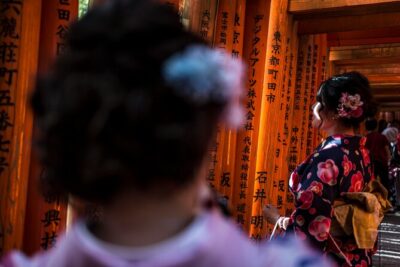
Shore excursion: Full Day Private Kyoto Tour From Osaka/Kobe Port
Read our review →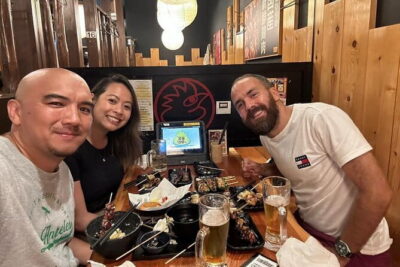
4/5/6 Hours Private Osaka Tour Designed for Cruise Passengers
Read our review →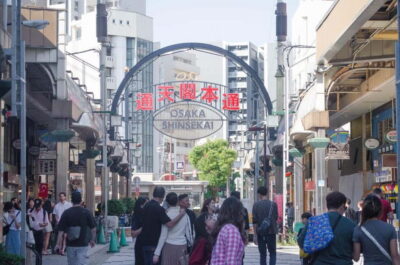
Kobe: Private Walking Shore Excursion- Kyoto/Osaka/Nara/Kobe
Read our review →
Shore Excursion Full Day Private Kochi Tour from Kochi port
Read our review →
Shore Excursion from Hiroshima Port : Private Tour in Hiroshima
Read our review →
All-Inclusive Ishigaki Island Shore Excursion with English Guide
Read our review →
Cruise Stop-Over: Private Custom Day trip to Kyoto from Kobe Port
Read our review →Browse the lists this tour appears in