
Review · CIVITAVECCHIA SHORE EXCURSIONS
Civitavecchia: Dining Experience at a Local’s Home
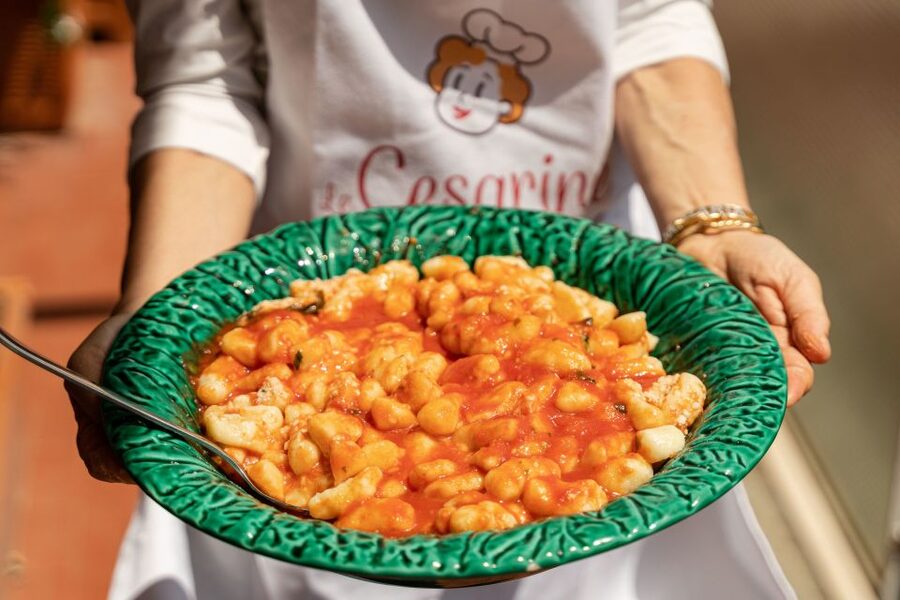
A family table beats another port buffet. This three-hour meal in Civitavecchia takes you into a local home for a private four-course dinner or lunch, with family recipes, wine, and a cooking demonstration. I like the personal scale, and I like that the food is prepared in front of you rather than presented as a polished restaurant show. The main catch is that the address stays private until after booking, so you cannot judge the exact location in advance.
The experience costs $100 per person, which is not bargain-priced for a meal, but it includes food, water, wine, coffee, instruction, and a private host-family setting. Timing usually falls around noon or 7 PM, though the host can adjust it. Vegetarian, vegan, and gluten-free meals can be arranged if you request them ahead of time.
Key points to know before booking
- The meal happens in a real host’s home: You dine at a family table rather than in a cooking school or restaurant.
- Francesca is one possible host: Her sessions have included fresh pasta, pizza, garden ingredients, and a dessert called chocolate sausage.
- The cooking is hands-on: You may help prepare appetizers or make pasta yourself, depending on the host and menu.
- Wine and coffee are included: The meal comes with water, wine, and coffee, not just the food.
- The exact address arrives after booking: One past host home was about a 10-minute taxi ride from the port, but locations can vary.
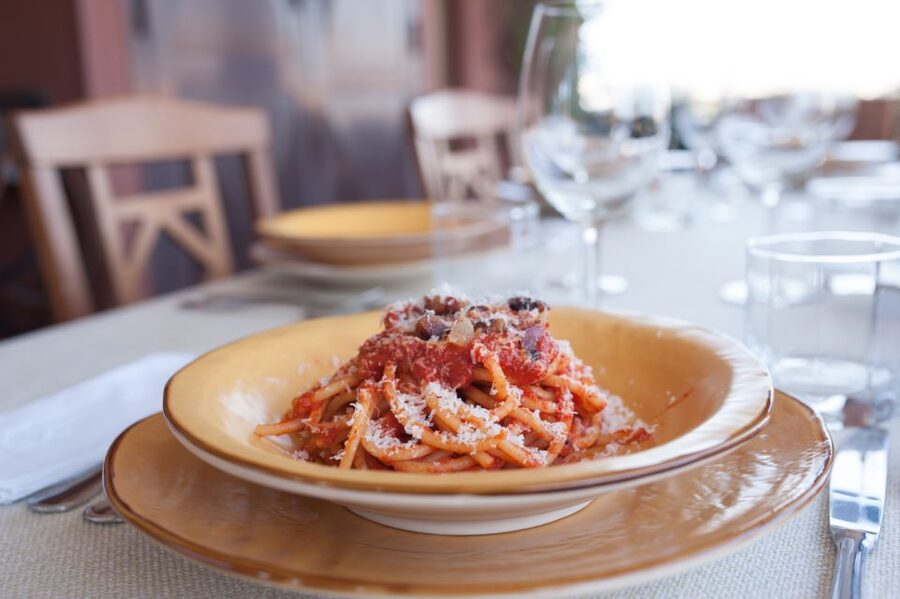
- The menu follows the season: Expect a starter, pasta, main course with a side dish, and dessert, with some meals including an additional course.
Why this Civitavecchia meal feels different
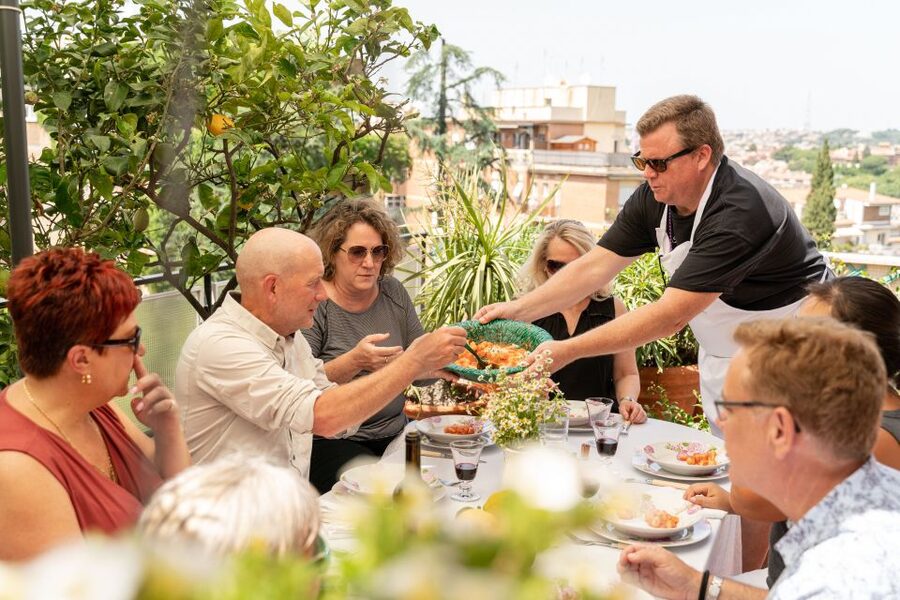
Civitavecchia is best known as Rome’s seaport, so many people pass through quickly on the way to or from a cruise. This experience gives you a reason to slow down. Instead of treating the city as a place to leave behind, you spend several hours with an Italian household and see how a meal works as a social event.
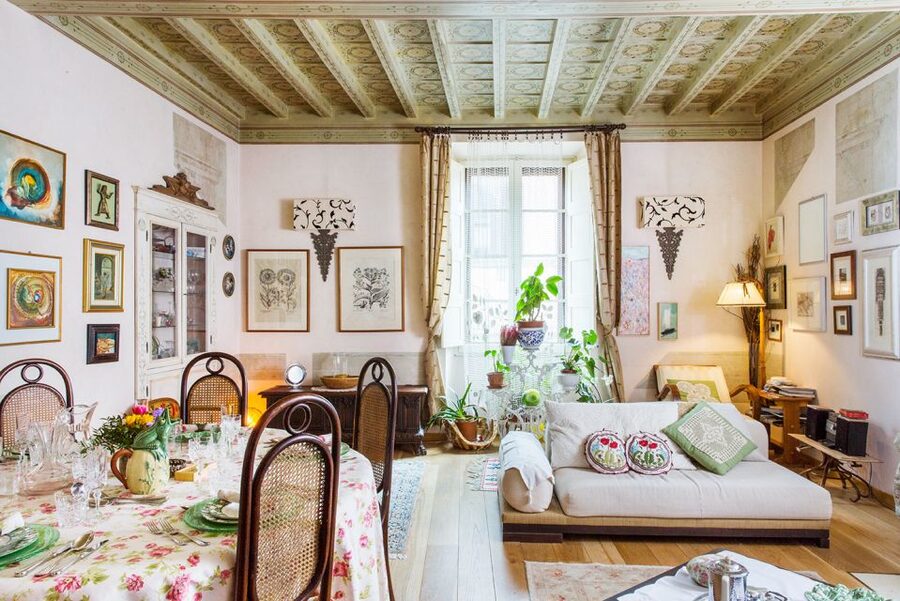
The setting matters. You are not seated at a long restaurant table with a waiter moving between courses. You enter a private home, meet your host, and eat food tied to that family’s cooking traditions. That makes the evening less predictable than a standard restaurant meal, but also more personal.
The host may be Francesca, Graziella, or another Cesarine cook. The provider matches you with a local host, so the exact personality, home, menu, and demonstrations can differ. That is part of the appeal. You are buying a family welcome and a home-cooked experience, not a fixed stage show with the same script every time.
Several accounts describe hosts greeting visitors with prosecco, appetizers, and easy conversation. Francesca has been praised for making people feel like extended family, while Graziella and her husband have hosted meals built around the history of ingredients and regional dishes. Those details suggest that the social side is just as important as the food.
A few more shore excursions around Civitavecchia worth a look
Arriving at a private home in Civitavecchia
Your meeting point is not a public landmark. For privacy, the host’s full address and mobile number are sent by email after you book. Read that message carefully and save the contact details before setting out.
This is useful for a cruise stop, but you need to plan your timing. One account describes a host home about a 10-minute taxi ride from the port. That is a helpful guide, not a guaranteed transfer time for every booking. Since the home can vary, allow extra time for finding the address and getting back to the ship or onward transport.
The usual start times are about 12 PM and 7 PM. The schedule can be flexible, so you can request a time that fits your plans. Still, do not treat flexibility as permission to cut things close before a ship departure. A three-hour meal can easily stretch if conversation runs long, especially when the meal is served family style.
Your arrival may begin with a welcome drink and small bites. One Francesca experience started with prosecco and appetizers already waiting. Another account describes arriving early and still receiving a warm welcome. These touches set the tone, but the exact opening depends on the host.
The cooking demonstration and family recipes
The demonstration is the heart of the experience. Your host prepares dishes from recipes kept in the family, explaining methods and ingredients as the food comes together. The point is not to master a restaurant technique in one afternoon. It is to see how Italian home cooking is passed from one generation to the next.
The pace should feel relaxed. You sit, watch, ask questions, and in some cases take part. One session with Francesca included each person making fresh pasta, while another included help with appetizer preparation. If hands-on cooking matters to you, ask about it when arranging dietary needs or confirming details. The description promises a private demonstration, but the exact amount of participation can vary.
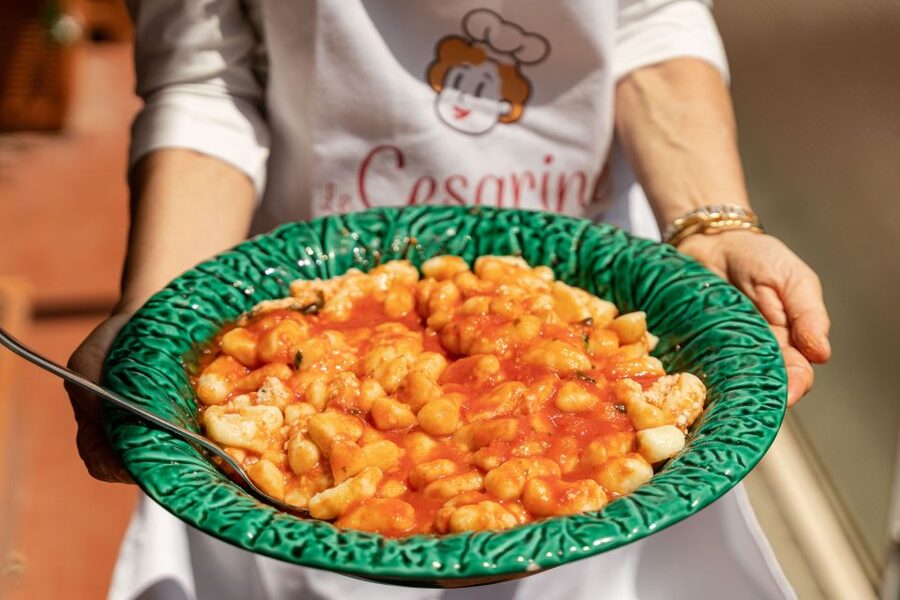
Fresh pasta is a particularly good fit for this format. You can see the work involved, rather than receiving a plate and being told it is homemade. One account describes guests working individually to make pasta, then eating it later with wine on the patio. That kind of activity gives the meal a clear rhythm and makes it easier to talk with the host.
Pizza has also appeared in Francesca’s cooking sessions. She showed one couple how her family makes pizza, followed by a dessert called chocolate sausage. The unusual dessert is not a sausage at all, but the name alone gives you a glimpse of the informal, family-style character of the meal. Do not expect every booking to include pizza or that dessert. Menus change.
The hosts also use the demonstration to explain local food customs. Graziella, for example, was described as discussing the background and culture of each dish while focusing on good ingredients. That context can make a simple plate of pasta more meaningful. You learn not only what you are eating, but why it belongs on the family table.
Four courses at an Italian family table
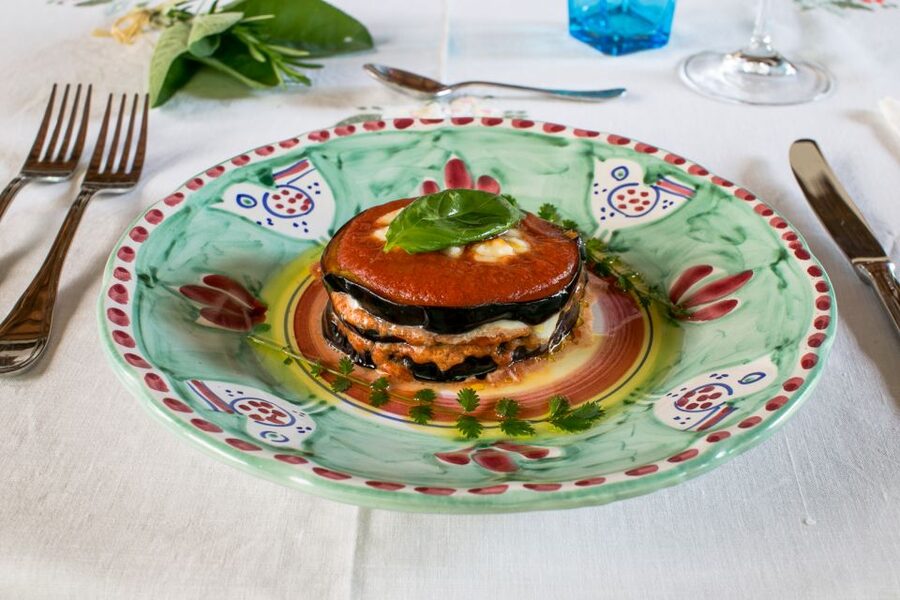
After the preparation, you sit down for the main meal. The advertised format includes:
- A starter
- A pasta course
- A main course with a side dish
- Dessert
Water, wine, and coffee are included. The food is served in the host’s home, often at a long or traditional dining table, and some meals are served family style. That last detail changes the mood. You are not rushing through a fixed tasting menu. You are sharing food from serving dishes and talking as the meal unfolds.
The cooking is described as simple, regional, and full of flavor. That is worth keeping in mind if you are looking for elaborate restaurant plating. This is home cooking, where the quality of ingredients, seasoning, timing, and company do much of the work.
Seasonality also matters. The menu is not fully fixed in the information provided, so you should expect it to reflect what the host normally cooks at that time of year. Ingredients may come from the host’s own garden. Francesca showed one group a garden with herbs, fruit, olives, and other ingredients used in the meal. That connection between garden and table is one of the more memorable parts of the experience.
The number of courses can vary in practice. The standard description calls it four courses, while one account described a five-course meal. This does not mean you should count on five courses. It does mean the host may add a small extra dish or appetizer as part of the welcome.
Same port, a different day ashore:
- Civitavecchia Port: Private or Shared Guided Tour of Rome
★ 4.4 · 826 reviews - Food Tasty and History Tour in Civitavecchia
★ 5.0 · 256 reviews - Civitavecchia Shore Excursion: Best of Rome Private Tour
★ 5.0 · 247 reviews - From Civitavecchia Port: Rome in a Day Guided Day Tour
★ 4.5 · 214 reviews
Wine, conversation, and the social side
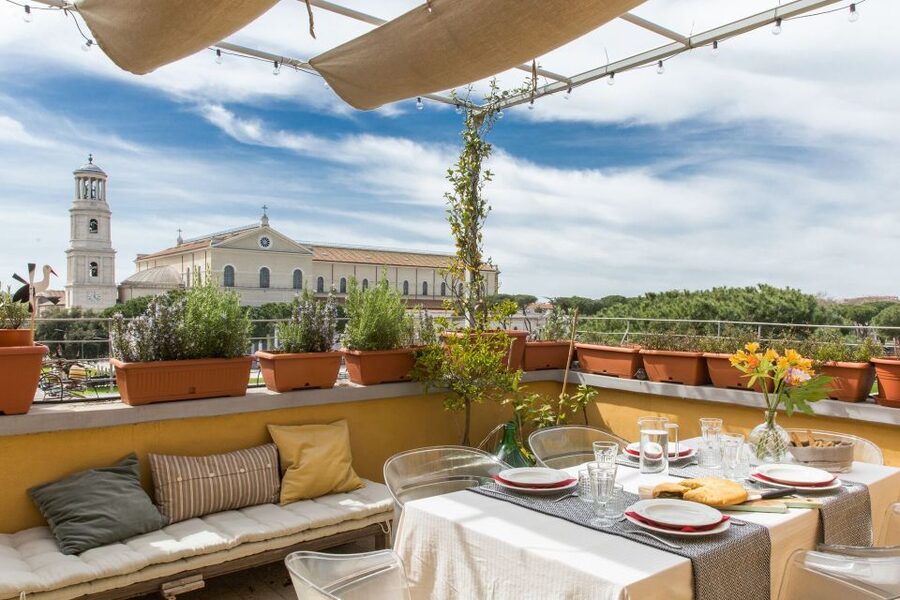
The food gets the booking, but the conversation often makes the evening memorable. This is a private group experience, so you are not joining a large class. Depending on the booking, it may be just you and your companion with the host and family.
One couple described making pasta at a long table, then moving to a patio for dinner and wine. Another described the evening as much like Sunday dinner with relatives. These details show why the experience suits people who enjoy unhurried conversation and a little spontaneity.
The language pairing is English and Italian. Hosts may speak English, and translation support can sometimes help. One meal with Francesca included Greta translating effectively. You should still be comfortable with some informal communication across languages, especially since this is a home visit rather than a formal classroom.
The private format is a clear advantage for couples, families, and small groups. You can ask questions without worrying about holding up a large class. It also makes the meal feel more intimate. The tradeoff is that the experience depends heavily on the host match. If you prefer a standardized cooking lesson, a commercial school may be more predictable.
What $100 per person buys you
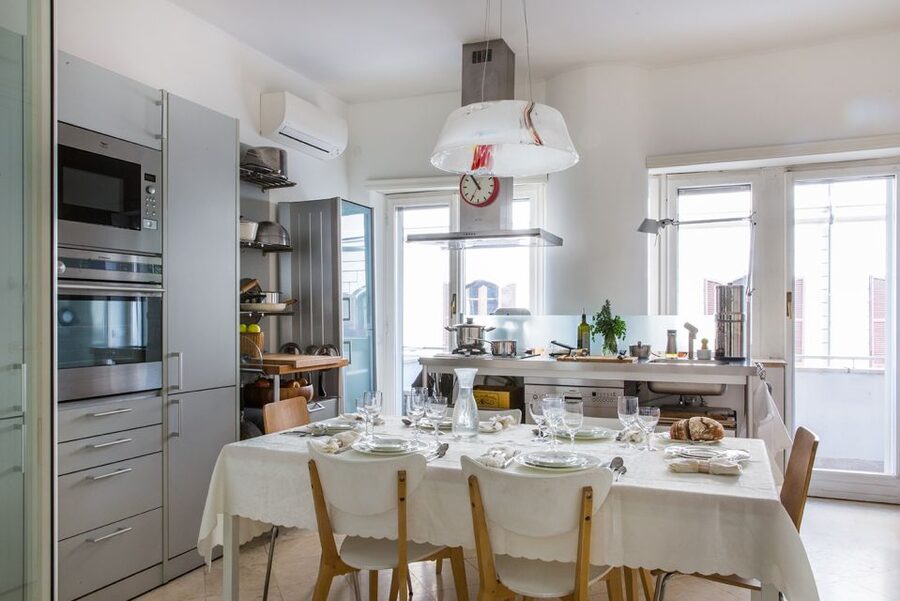
At $100 per person, this is priced above an ordinary local lunch. You are paying for more than four plates of food. The fee covers a private demonstration, a full meal, wine, water, coffee, and the time spent welcoming you into a personal home.
For someone already planning a restaurant meal and a cooking class, the price can make sense. You receive both in one three-hour visit, plus the social setting that a restaurant cannot easily provide. You also avoid the feeling of being rushed through a short tasting.
The value is weaker if your main goal is simply to eat cheaply. The meal may be generous, but this is an experience purchase, not a budget dining option. You should also remember that transportation to the home is not listed among the included items. Since the address arrives later, you cannot calculate the exact taxi cost until your host is assigned.
I would consider the price fair for a special first or final evening in Italy, especially if you care about food traditions and personal contact. It may be less appealing for someone who wants a quick port meal or who dislikes eating in private homes.
Who should book this experience
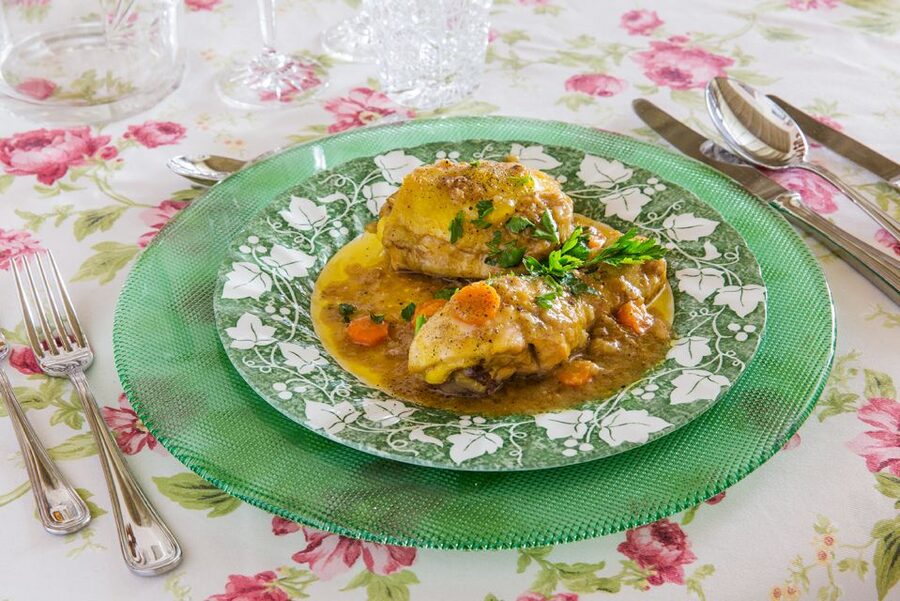
I would recommend it most strongly to:
- Couples looking for a relaxed and personal evening
- Families who enjoy cooking and shared meals
- Cruise passengers with enough time away from the ship
- People interested in regional food rather than formal restaurant dining
- Anyone who wants to meet an Italian household in a natural setting
- Visitors with dietary needs who arrange them before arrival
It may not suit you if you need a tightly timed activity, a guaranteed menu, or a central meeting point known months in advance. The exact home and host are supplied after booking, and the menu can change with the season.
It is also not the right choice if you expect a professional cooking school with printed recipes and a structured lesson. The emphasis is family hospitality and shared food. You may learn plenty, but the experience is built around conversation and eating together.
Timing tips for cruise passengers
Civitavecchia cruise calls can be awkward because the port is separate from the town. Give yourself a wide margin before returning to the ship. A three-hour lunch beginning around noon may work well on a longer port day, but you need to confirm your ship’s all-aboard time and account for the ride back.
An evening booking is better if you are staying overnight in Civitavecchia or have no ship departure to catch. The 7 PM start lets you enjoy the meal without watching the clock, though the exact timing can be adjusted with the host.
Save the host’s address and phone number offline. You will receive them by email after booking, and a reliable connection is not something to count on while moving around the port area. A taxi may be the simplest option, but the exact transport needs depend on the home assigned to you.
Dietary requests and practical expectations
Vegetarian, vegan, and gluten-free meals can be accommodated upon request. Make the request before the meal, not when you sit down. Italian home cooking often includes flour, cheese, eggs, and meat, so the host needs time to plan a suitable menu.
The meal includes wine, water, and coffee. If you do not drink wine, state that when arranging the experience so the host knows your preference. The information does not specify the wine selection or whether alternatives beyond the listed beverages are included.
Bring an appetite. The meal lasts three hours and includes several courses, with appetizers or an extra course possible depending on the host. This is not a quick demonstration followed by one small tasting plate.
Cancellation is flexible up to 24 hours before the start for a full refund, and you can reserve without paying immediately. Those terms are useful when your cruise schedule or transport plans are still shifting.
My final call: book it for the welcome, not just the menu
You should book this if your idea of a good Civitavecchia experience includes sitting at a family table, helping with pasta or appetizers, and talking over wine. The strongest feature is the warmth of the host relationship. Francesca’s pizza and chocolate sausage, Graziella’s ingredient-focused cooking, garden produce, and long-table meals all show how personal the format can be.
I would skip it if you need a fixed address, a guaranteed menu, or a fast activity between ship excursions. For everyone else, $100 buys a rare kind of port experience: not just Italian food, but an invitation into the way that food is prepared, explained, and shared.
FAQ
Where does the dining experience take place?
It takes place in the private home of your assigned host in Civitavecchia. The full address and the host’s mobile number are sent by email after booking for privacy reasons.
How long does the experience last?
The experience lasts three hours.
What time does the meal usually begin?
It usually begins around 12 PM or 7 PM. The timing can be flexible based on your requirements.
What is included in the meal?
The experience includes a private cooking demonstration, a private four-course lunch or dinner, water, wine, and coffee.
What courses are served?
The seasonal menu includes a starter, pasta, a main course with a side dish, and dessert. The exact dishes can change, and some meals may include an additional course or appetizer.
Is this a private group experience?
Yes. The experience is arranged for a private group rather than a large shared class.
Which languages are available?
The experience is available in English and Italian.
Can dietary requirements be accommodated?
Vegetarian, vegan, and gluten-free requirements can be catered to upon request. Make the request in advance.
Can I cancel the booking?
You can cancel up to 24 hours in advance for a full refund. You can also reserve now and pay later.
Just added around Civitavecchia
- From Civitavecchia: Tuscany-Latium Wine Tour with Tastings★ 4.0 · 4 reviews
- Private Etruscan History Tour from Civitavecchia: Tarquinia and Tuscania★ 4.5 · 12 reviews
- Wine and Cheese Tastings Southern Tuscany ShoreExcursion from Civitavecchia Port★ 5.0 · 2 reviews
- from Civitavecchia: Saturnia natural hot springs experience★ 4.0 · 9 reviews
- Rome in one day: tour from the cruise port Civitavecchia★ 5.0 · 16 reviews
- Umbria and the Etruscan Land Shore Excursion from Civitavecchia Port★ 5.0 · 8 reviews
- Shore excursion Bagnoregio and Orvieto from Civitavecchia Port★ 5.0 · 3 reviews
- A Deluxe Private Tour of Rome Right from Your Cruise Ship★ 5.0 · 9 reviews
Civitavecchia Shore Excursions, compared.





Panoramic Tour of Rome by Bus from Civitavecchia
Read our review →
Private Shore Excursions to Rome from Civitavecchia Cruise Port with Driver
Read our review →Browse the lists this tour appears in