
Review · GERMANY SHORE EXCURSIONS
Rostock: Warnemünde and Rostock Half-Day Shore Trip
Two North German towns, one useful outing. This five-hour shore trip gives you a guided look at Warnemünde’s old fishing quarter and Rostock’s Hanseatic center without the long ride to Berlin. I like the small-group format, capped at 20 people, and I like the chance to use local trains and trams instead of staying inside a tour bus. The main drawback is simple: this is a walking-heavy day, with cobblestones, public transport, and limited time for shopping.
The strongest part is the guiding. Cornelia, Tobias, Yvonne, Anne, Bernd, Andreas, and other local guides have been praised for clear English, good timing, and personal stories about East Germany. You also enter St. Marien Church to see its astronomical clock, but the five-hour schedule leaves only about an hour for your own exploring in Rostock.
Key points at a glance
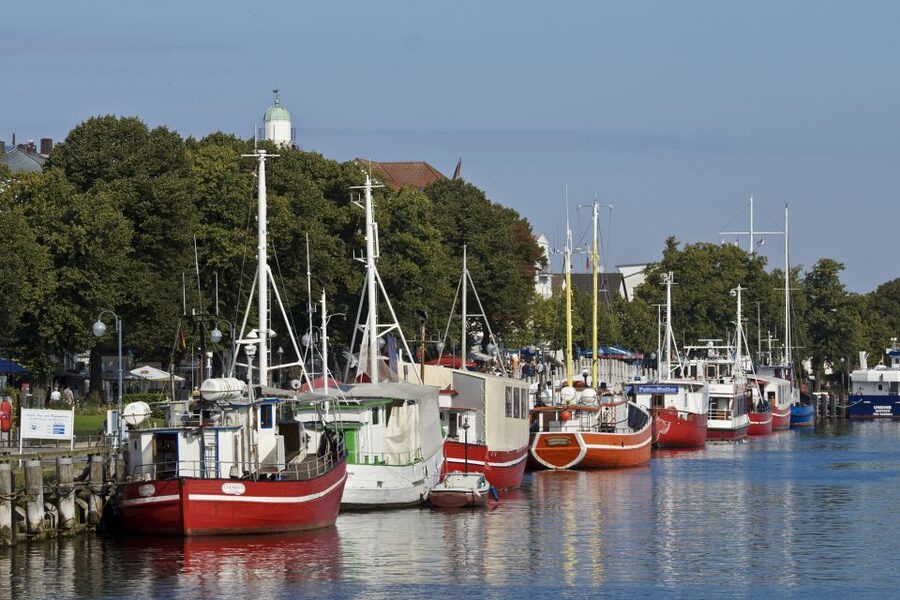
- Warnemünde starts with the Old Stream: See brightly painted fishing boats, old gabled homes, ornamental doors, cafés, and the harbor promenade.
- Public transport is part of the experience: Your guide handles the train and tram connections, including German-only announcements that could otherwise be confusing.
- St. Marien Church is the main interior visit: The astronomical clock gives the Rostock walk a memorable focal point.
- The pace is active but managed: Expect to walk for 15 to 20 minutes at a time, often on cobblestones, with the full outing covering several miles.
- You get about one hour of free time: Use it for shops, a snack, or a quick look around central Rostock.
- The value is strongest for first-time visitors: At $81 per person, the tour combines a guide, port pickup, public transport tickets, and church admission.
Why this shore trip makes sense
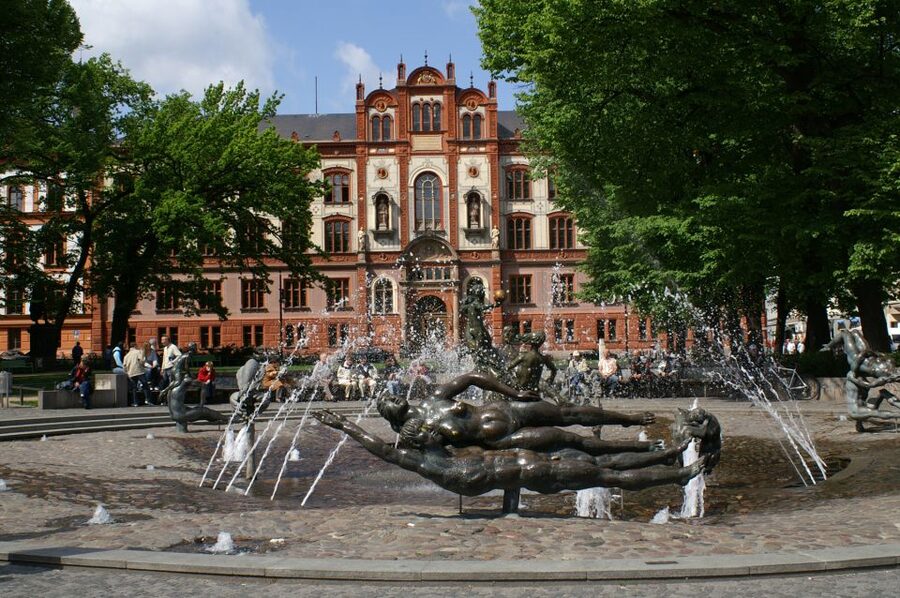
Warnemünde and Rostock are close enough to visit in one port call, yet different enough to feel like two separate places. Warnemünde is the smaller seaside district, shaped by fishing, boats, and resort life. Rostock is the larger inland city, with a university, medieval churches, market squares, and traces of its Hanseatic past.
I like this pairing because it avoids an overly ambitious day. A long excursion to Berlin can consume much of a cruise port call in transport alone. Here, you stay in the local area and spend your time seeing places you can actually appreciate on foot.
The tour begins at the cruise ship berth at Am Passagierkai 6. Your guide meets you there with a sign bearing the tour name. That direct pickup matters in Warnemünde, where you do not want to lose time searching for a meeting point after disembarking.
The group can include as many as 20 people, though some departures have been much smaller. Smaller groups make it easier to hear the guide, ask questions, and keep together during the train and tram rides. One guide, Daniel, was praised for keeping everyone organized, while other guides earned similar approval for watching the pace and making sure nobody got separated.
More Half-Day Trips in Germany:
- Flam: The Wonders of Flam Guided Half-Day Shore Excursion
★ 4.8 · 668 reviews - Skagway Shore Excursion: Half-Day Tour to the Yukon Border and Suspension Bridge
★ 5.0 · 543 reviews - St Maarten Shore Excursion: Orient and Maho Beach Half-Day Tour
★ 4.5 · 486 reviews
Warnemünde’s Old Stream and fishing boats
The first hour belongs to Warnemünde. You walk through what was once a fishing village and see the town’s older side before heading inland to Rostock.
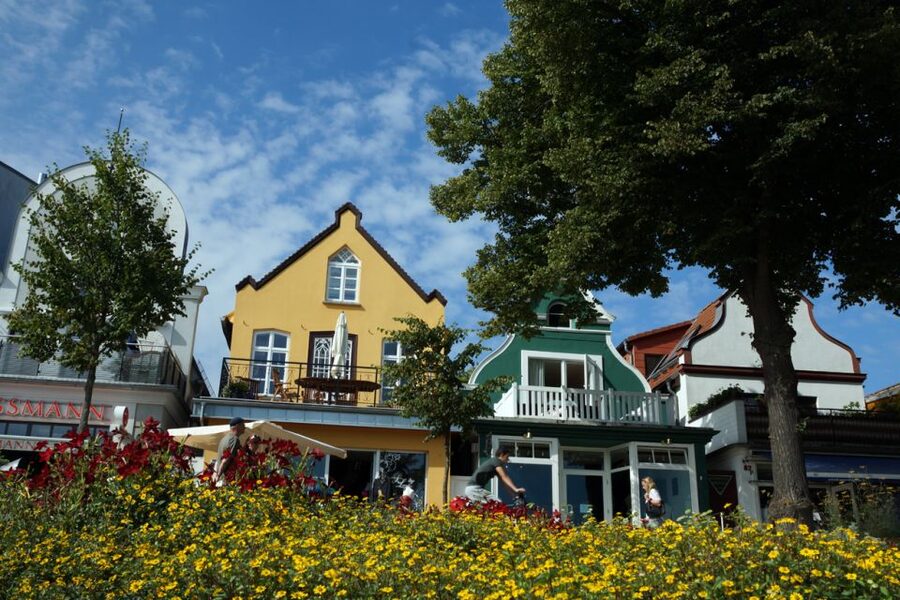
Look for the typical 18th- and 19th-century houses with steep gables, half-timbered façades, and decorative doors. These details give Warnemünde a more intimate feel than the grander streets of Rostock. The buildings are not presented as isolated monuments. They help explain how the town grew from a working harbor into a seaside resort.
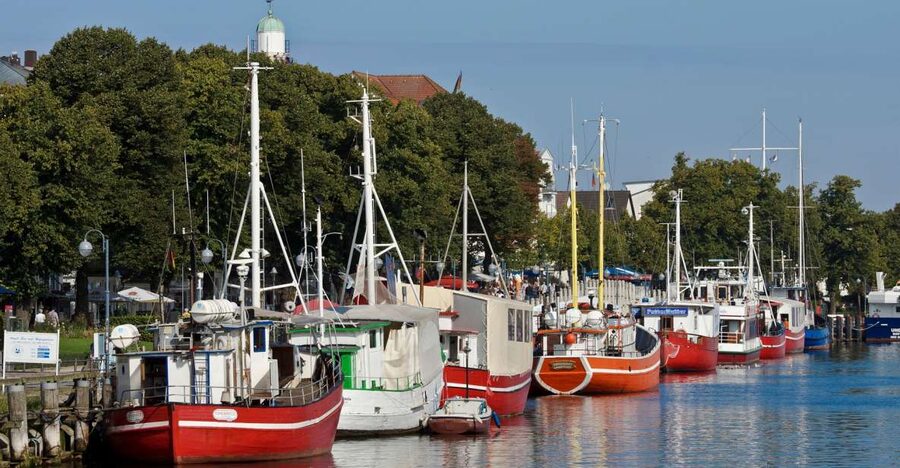
The Old Stream canal is the visual centerpiece. Brightly painted boats line the water, with cafés and small shops close by. This is a good place to get your bearings, take photographs, and see the fishing character that still shapes the town’s identity.
The guided portion is brief, so you will not have a long independent visit to Warnemünde before the group leaves for Rostock. That is the tradeoff. You get an introduction to the harbor and historic streets, but you should not expect a relaxed morning of shopping, beach time, or sitting over coffee.
The tour does give you a useful option. After returning from Rostock, you can stay in Warnemünde and explore more on your own, provided your ship’s schedule allows it. You might return to the Old Stream for a fish sandwich, browse the boutiques, or stop for cake in one of the cafés.
The train and tram ride to Rostock
The public transport section takes about 30 minutes each way. You ride like a local, first using the commuter train and then the tram toward Rostock.
I consider this one of the most useful parts of the outing. You do not have to work out ticket machines, platforms, connections, or German announcements while watching the clock before your ship sails. Your guide supplies the transport tickets and keeps the group together.
That help is especially valuable because the announcements may be in German only. One participant specifically appreciated being able to follow the train without worrying about the language. Other guides were praised for timing the connections well and making the journey feel straightforward.
Still, public transport is not as controlled as a private vehicle. You may need to board promptly, stand for part of the ride, or move through stations with the group. It is not a sightseeing train ride, but it adds a genuine local element and keeps the cost below a private car excursion.
The return trip follows the same general pattern. Allow some patience if the group needs to regroup at a platform or tram stop. A guide who is good at counting heads and giving clear instructions matters here, and that has been a repeated strength of this experience.
Rostock’s medieval center and St. Marien Church
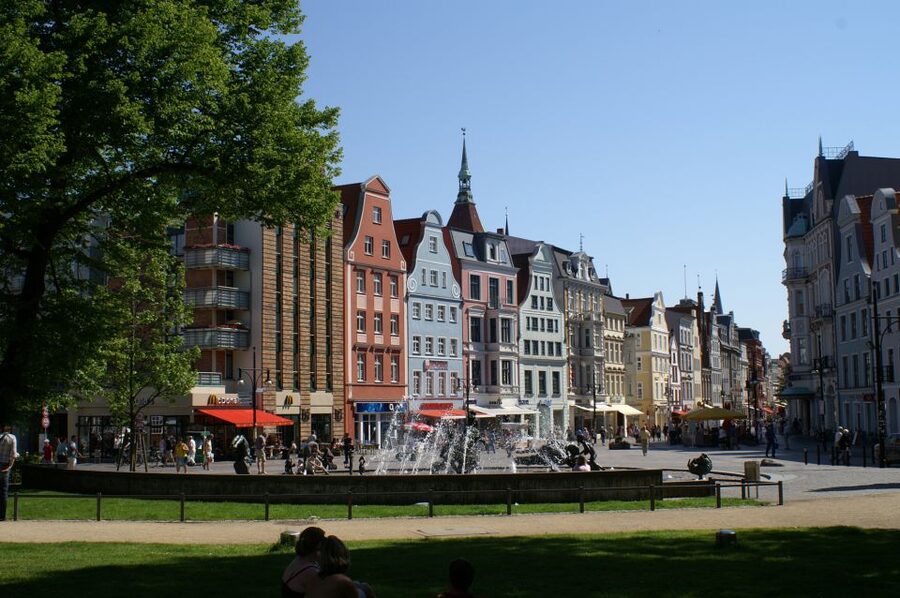
Rostock is the larger city of the two, and the main guided walk lasts about an hour and a half. You see central streets, market squares, and major buildings linked to the city’s medieval and university traditions.
The Monastery of the Holy Cross is one of the notable buildings included in the walk. You also hear about the town hall, the university, and the remains of the medieval town wall. The guide connects these sights to Rostock’s past and present rather than simply pointing out façades.
The most important interior stop is St. Marien Church. Admission is included, and the astronomical clock is the star attraction. Timing matters because the clock operates at a particular moment, so your guide aims to bring the group at the right time. That small piece of coordination gives the church visit more purpose than a quick look inside.
The church also offers a change of pace from the streets. After walking over cobblestones and moving through public transport, you get a quiet indoor stop with a clear object to focus on. One visitor called the church especially interesting, while another appreciated the guide’s explanation of its details.
You should expect history to be a major part of the Rostock walk. Guides have spoken about the city’s medieval foundations and about life in East Germany, sometimes using old photographs to show how places looked in earlier decades. That makes the tour a good fit if you enjoy context and local stories.
If you mainly want shopping, photographs, or a quick city stroll, some of the explanation may feel lengthy. A few young visitors could find the historical emphasis less engaging. The guides are generally described as personable and clear, but the content leans toward history rather than entertainment.
Same port, a different day ashore:
- All-in-One Berlin Shore Excursion from Warnemunde
★ 4.5 · 293 reviews - Best Berlin Shore Excursion from Warnemunde or Rostock Port
★ 4.8 · 200 reviews - Warnemünde: Guided Walking Tour
★ 4.3 · 102 reviews - Deluxe Berlin: Hassle-Free Shore Tour from Warnemunde Cruise Port
★ 4.5 · 82 reviews
One hour for your own Rostock choices
After the guided portion and church visit, you get roughly one hour of free time in central Rostock. This is enough for a snack, a short shopping stop, or a second look at a square that caught your attention.
Do not treat this as a full independent afternoon. The hour passes quickly, especially if you need a restroom, want food, and hope to browse shops. One useful criticism of the schedule is that a five-hour outing could benefit from a planned coffee or restroom break. The tour does include free time, but you may need to use it efficiently.
A local snack can make the break worthwhile. One visitor recommended trying a German sausage, while the Warnemünde portion offers the chance to sample a fish sandwich after the formal tour. Food and drinks are not included, so carry money for your own stop.
I would use the Rostock hour for one clear goal rather than trying to do everything. Choose a shop, a snack, or a final photograph. If you prefer a slower visit, you may find the schedule tight.
Walking, cobblestones, and physical demands
This is not a gentle drive-by excursion. The tour description asks participants to manage 15 to 20 minutes of walking at a time, and several people noted that the full route can amount to several miles.
Cobblestones are part of the experience in both historic areas. They add atmosphere, but they can be tiring for anyone with balance, joint, or mobility concerns. Wear comfortable shoes with good support, not fashionable shoes chosen only for photographs.
The guides have often adjusted their pace for older members of the group. One guide was praised for looking after an elderly parent, and another for being patient with a slow walker. That is encouraging, but you still need to be comfortable walking for much of the five hours.
The tour is not suitable for wheelchair users. It is also a poor match if you need frequent seated breaks or cannot manage uneven surfaces. Large bags and luggage are not allowed, which helps during the transport sections but means you should bring only what you can carry easily.
Weather can shape the experience. Warnemünde is an outdoor town, and the route includes open streets and harbor areas. Bring a light rain layer if conditions look uncertain. A past outing began in heavy rain and improved later, showing why flexible clothing matters.
How good is the $81 price?
At $81 per person, the tour is not the cheapest way to ride into Rostock, but the price includes several useful pieces: pickup and return at the cruise port, an English-speaking guide, train and tram tickets, and admission to St. Marien Church.
The real value is the time saved. You do not need to figure out the local transport system, plan a route between two towns, or calculate how to return to the ship. Your guide handles the practical work while giving you background on the towns.
It can also compare well with cruise-line excursions. One participant chose it as an alternative to a much more expensive cruise-company tour and appreciated the smaller group. A group of 20 is still not private, but it is usually easier to hear than a large shore excursion with dozens of people.
The price makes the most sense if you want both Warnemünde and Rostock in one visit. If you are happy to remain in Warnemünde, walk independently, and skip the church entry, you could spend less. You would also give up the historical explanation and the reassurance of a guide managing the return trip.
The guides make the biggest difference
The guide is central to this experience. Names praised in the feedback include Cornelia, Tobias, Yvonne, Anne, Bernd, Andreas, Daniel, and Ringo. The common strengths are clear English, local knowledge, patience, and strong control of the timetable.
Cornelia was especially praised for teaching the group how to use the train and tram like locals. Tobias received repeated approval for his preparation, pacing, and clear speaking. Yvonne was noted for being warm, organized, and able to answer questions. These details matter because the tour moves between two towns and several forms of transport.
The style can vary by guide. Some focus heavily on local history, including personal memories of East Germany. Others may give more attention to buildings, geography, and daily life. I would book this if you enjoy listening and asking questions, not if you want a mostly silent walk with free time.
English is the only language offered. You should also expect the guide to speak throughout much of the walking sections, with explanations at the main stops.
Who should book this tour?
I would recommend it to first-time visitors who want a structured introduction to both towns during one cruise stop. It suits people who value local transport, church interiors, medieval architecture, and clear historical context.
It is also a good fit for cruise passengers who do not want to spend the day traveling far from the port. You see two distinct places while keeping the return route simple.
I would hesitate if you want a slow café day, a long shopping session, or a fully accessible route. The schedule is active, the free time is short, and cobblestones are unavoidable.
Final verdict: a smart local alternative
Book this tour if you want to make good use of five hours without chasing a distant city. The combination of Warnemünde’s boats and old homes, Rostock’s medieval center, St. Marien Church, and guided public transport gives you a useful snapshot of northern Germany.
Skip it if walking several miles or keeping to a timetable would make the day stressful. For everyone else, $81 buys more than sightseeing. It buys local orientation, transport help, port-to-port organization, and a guide who can turn two unfamiliar towns into a manageable and memorable shore visit.
FAQ
Where does the tour begin?
Pickup is at the cruise ship port at Am Passagierkai 6 in Warnemünde. Look for a guide holding a sign with the tour name. The guide meets you at your ship’s berth.
How long does the experience last?
The tour lasts five hours, including the guided visits, train and tram rides, Rostock free time, and return to the port.
Is the tour conducted in English?
Yes. The live tour guide speaks English, and no other languages are offered.
What transport is used?
You use a commuter train and a tram between Warnemünde and Rostock. Public transport tickets are included in the price.
Is St. Marien Church included?
Yes. The tour includes entry to St. Marien Church in Rostock, including the chance to see its astronomical clock.
How much free time is available in Rostock?
You get about one hour of leisure time in central Rostock for shopping, a snack, or independent exploring.
Is the tour suitable for wheelchair users?
No. The experience is not suitable for wheelchair users and requires regular walking over cobblestone streets.
Can I cancel the booking?
You can cancel up to 24 hours before the tour for a full refund. You can also reserve now and pay later.
Just added around Germany
- All-in-One: Beautiful Lübeck: Shore Excursion from Kiel Port★ 4.5 · 50 reviews
- All-in-One Hamburg Shore Excursion from the port of Kiel★ 4.5 · 21 reviews
- From Kiel: All-in-One Hamburg Shore Excursion★ 4.5 · 2 reviews
- Hamburg Shore Excursion: Private Berlin Day Trip★ 5.0 · 6 reviews
- Warnemuende Shore Excursion: Private Berlin Tour★ 4.5 · 27 reviews
- Private All-in-One Berlin Shore Excursion from Warnemünde Port★ 5.0 · 35 reviews
- Warnemuende Shore Excursion: Berlin Private Sightseeing Tour from Rostock★ 5.0 · 4 reviews
- Deluxe Berlin Tour from Warnemunde or Rostock Cruise Port★ 4.5 · 11 reviews
Germany Shore Excursions, compared.
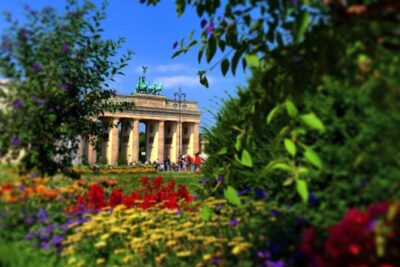
All-in-One Berlin Shore Excursion from Warnemunde
Read our review →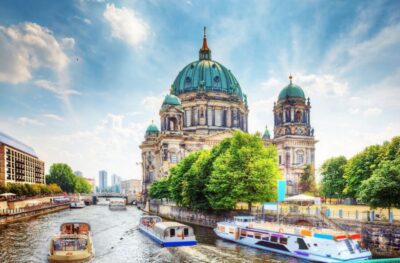
Best Berlin Shore Excursion from Warnemunde or Rostock Port
Read our review →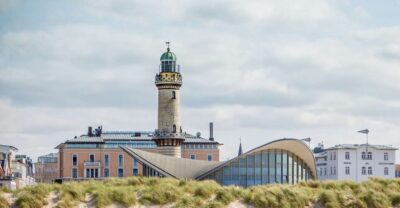

Deluxe Berlin: Hassle-Free Shore Tour from Warnemunde Cruise Port
Read our review →
Berlin & Sachsenhausen Concentration Camp Tour from Warnemünde and Rostock Port
Read our review →
All-in-One: Beautiful Lübeck: Shore Excursion from Kiel Port
Read our review →
Explore Berlin Shore Excursion: Top Attractions Private Tour from Warnemuende
Read our review →
Berlin and Sachsenhausen: Shore Trip from Warnemünde Port
Read our review →Browse the lists this tour appears in